Managing assembly costs is a core challenge for electronics designers and contract manufacturers alike—from component selection and assembly methodologies to long-term reliability, every engineering decision directly shapes the final bottom line.
In practice, engineers occasionally default to legacy design habits, submitting fabrication packages and bills of materials that lack cost optimization. Alternatively, highly sophisticated product designs can overwhelm procurement teams once fabrication and assembly estimates are returned.
The following sections deconstruct the core cost drivers of PCB assembly, providing a transparent breakdown of how expenses accumulate. By mastering these variables, engineering and procurement teams can collaborate during the layout phase to systematically optimize designs and minimize budgetary overhead.
Factors Affecting PCB Assembly Cost
Component Costs
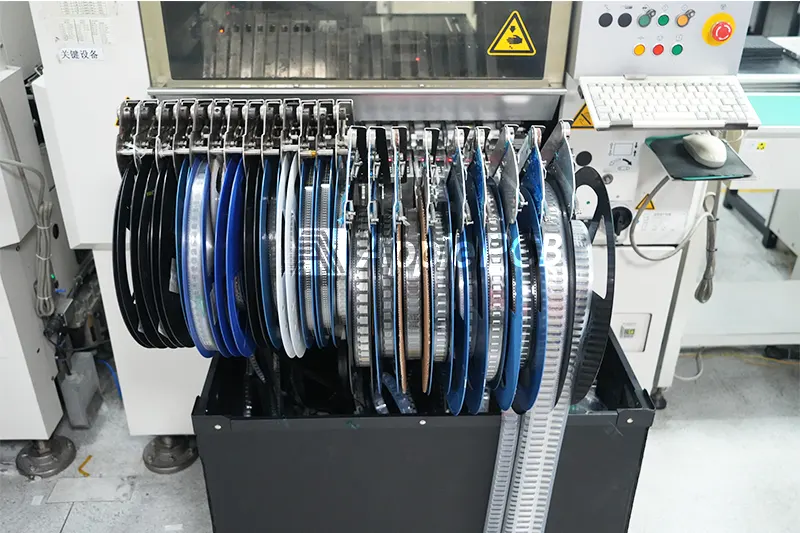
The Bill of Materials represents the single largest expenditure in PCB assembly, accounting for 50% to 70% of total unit cost. When reviewing assembly estimates, clarify whether component pricing reflects direct distributor pass-through costs or incorporates factory handling markups. On a board with a 100-part count, a variance of just $0.05 per component escalates overall unit costs by $5.00 to $10.00—before accounting for placement labor or SMT processing fees.
Component Sourcing and Availability
Component pricing and lead times fluctuate continually based on market conditions. Component costs for custom PCB builds depend on several key factors:
- Component package footprints and global market availability
- Market shortages, allocations, and component yield loss rates
- Procurement execution models: Turnkey versus Consigned sourcing
ApplePCB supports Full Turnkey, Partial Turnkey, and Consigned Assembly models, allowing you to align procurement strategies with your supply chain logistics and budget requirements.
Supply Chain Recommendation: Allow our procurement team to conduct second-source qualification and cross-reference analysis during early project setup. Identifying functional equivalents or pin-to-pin drop-in alternatives keeps production on schedule while mitigating component cost spikes.
SMT and Through-Hole
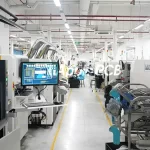
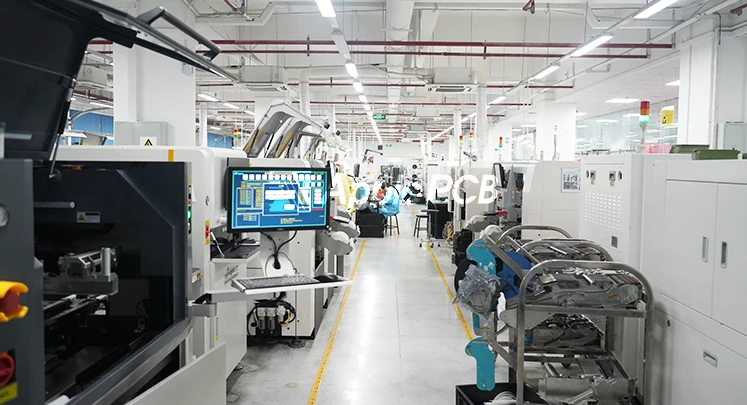
SMT has achieved automation in most modern factories. Labor costs are reduced, and the overall price of custom PCBs decreases accordingly.
Through-hole still requires manual placement. Applications that need to withstand high stress, such as power connections, sometimes still cannot do without it. However, in most cases, SMT has replaced through-hole. Therefore, try to minimize through-hole processes during design, because every additional through-hole process will increase the cost of custom PCBs accordingly.
Design Complexity
Try to simplify the PCB layout as much as possible. The more complex the layout, the more extra work the manufacturer has to do, and the cost is naturally higher.
For example: if you place all components on the same side of the board, you do not need to go through the surface mount process a second time. It saves time and saves money.
However, some designs indeed need to be complex. For instance, ball grid array packages require additional inspection steps. Conformal coating is another example, which adds an extra assembly process. This coating protects against dust and vibration intrusion, making it essential in mining and medical equipment, but it is quite expensive.
Compliance and Certification
Standards and certifications are not a one-time investment, but require long-term maintenance.
IPC Class 3 products in the medical and aerospace fields often involve collaboration among multiple contract manufacturers. Such projects carry high risks, and the manufacturing party needs to assume several responsibilities:
- Batch traceability
- Record retention for many years, or even decades
- Continuous compliance with the latest requirements of AS9100 or ISO 13485
Some manufacturers are unwilling to follow ISO standards for a very straightforward reason: maintaining certifications is not cheap.
For you, choosing a certified manufacturer means one less obstacle for your product during compliance reviews. If the supplier lacks these qualifications, the party that ultimately bears the audit pressure and project delay risks is often your team.
ApplePCB already possesses relevant certification qualifications and can share these compliance responsibilities with you, giving your product greater assurance during review stages.
Quantity and Batch Size
Economies of scale are demonstrated very clearly here. During the prototyping and small-batch stages, the setup costs amortized per board are higher. As the quantity goes up, fixed costs are diluted, and the unit price naturally drops.
If you are still validating your design, ApplePCB can first assist with small-batch trial production. Once the design stabilizes, you can switch to mass production. This way, you do not need to hold too much inventory early on, and overall costs are better controlled.
Lead Time
Expedited orders cost more. This works on the same principle as shipping express—the less time you give, the more expensive the charge. The less production time left for the manufacturer, the more likely they are to abandon cheaper overseas materials and switch to local procurement. Local material prices are typically higher, and this part of the cost will ultimately be reflected in the quote. Lead times are also directly related to component selection. Try to specify off-the-shelf components; contractor procurement and scheduling will be much smoother, and short lead times will be easier to achieve.
From your perspective, if it is not particularly urgent, appropriately extending lead times can save a lot of money. If you really need to rush, confirming the stock availability of components in advance can avoid temporary price increases.
How to Control PCB Assembly Cost ?
Integrate Design for Manufacturability Early
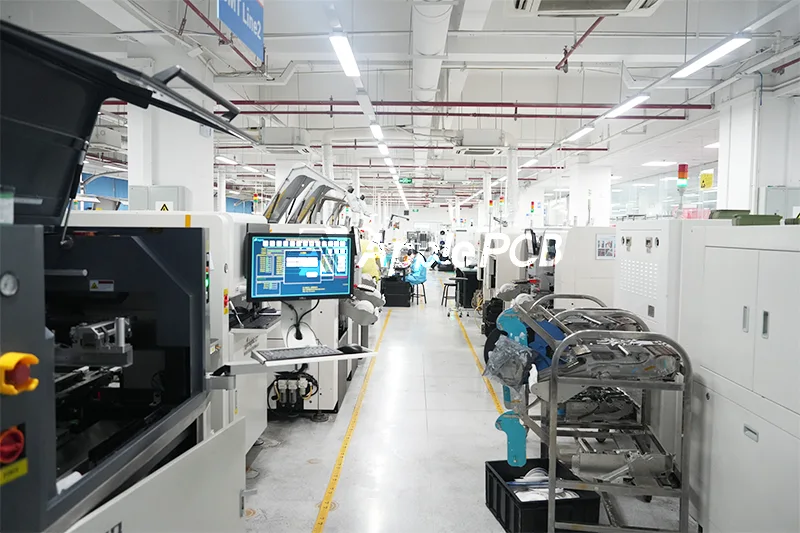
Incorporate manufacturability into your initial design phase by engaging your assembly partner early. Early collaboration catches layout or component selection flaws before they reach the production line, preventing expensive rework. The earlier your manufacturer reviews the package, the fewer bottlenecks you will face downstream.
Provide Complete Production Packages
Submit a comprehensive, error-free production package on the first pass, including Gerber files, bills of materials, component centroid data, and assembly drawings. A complete package streamlines the quoting process, ensures high placement accuracy during surface mount setup, and eliminates back-and-forth communication delays.
Establish Pre-Vetted Component Alternatives
Define secondary sources and drop-in package alternatives during the schematic capture phase. If a primary component faces supply allocation, you can immediately switch to pre-approved substitutes without halting production lines or scrambling for emergency stock.
Streamline Circuit Board Layout
Simplify layout geometry wherever electrical performance allows. Minimize layer counts, remove redundant vias, and standardize trace widths. These structural simplifications dramatically reduce fabrication and assembly complexity, lowering overall unit costs.
Eliminate Unnecessary Special Processes
Avoid specifying specialized finishes like electroless nickel electroless palladium immersion gold or non-standard substrate materials unless mandated by strict performance requirements. Every custom process step increases production overhead without delivering tangible value to your end application.
Optimize Silkscreen and Component Designators
Pay careful attention to silkscreen clarity and reference designator placement. Properly positioned and legible markings allow automated optical inspection systems and assembly operators to verify polarity and alignment quickly, reducing assembly defect rates.
Prioritize Stocked Components
Select components readily available from major franchised distributors such as Digi-Key or Mouser. Utilizing stock items avoids distributor markups, extended lead times, and supply chain volatility, ensuring predictable procurement costs.
Verify Centroid and Polarity Data Prior to Release
Double-check component center coordinates, rotation angles, and pin-one polarity markers before releasing production files. A single centroid coordinate error can scrap an entire batch of assemblies, wasting far more time and capital than a thorough pre-production audit.
Plan Volume Production Scaling
Review volume pricing tiers with your assembly partner early—comparing batch sizes such as 25, 100, and 500 units. Understanding volume break points allows you to forecast unit cost scaling accurately as market demand grows.
Leverage Local Prototyping for Rapid Iteration
Utilize local assembly partners during early prototyping iterations. Faster turnaround accelerates design debugging and exposes physical flaws sooner. While per-unit prototyping fees may be slightly higher, catching issues early significantly reduces total project lifecycle costs.
Partner with an Experienced Assembly Provider
Collaborating with a transparent, experienced contract manufacturer simplifies cost control. Clear communication channels and robust engineering support minimize floor errors, allowing your team to focus on core product innovation.
At ApplePCB, we combine rigorous engineering expertise with agile manufacturing execution. From prototyping to high-volume production, we deliver reliable assemblies that optimize your costs, elevate product quality, compress lead times, and maintain transparent communication at every stage.